Ollie
Ollie
Save 20%
Golden Retrievers are generally a healthy, hearty breed. But poor breeding, or an unhealthy lifestyle, can exacerbate the health problems they are at risk for, like heart disease and hip dysplasia. Learn more here about the breed, and how you can do your part to fulfill the dietary and health needs of the Golden in your life.
Sporting | AKC Golden Retriever Profile
Ideal Weight:Female Adult: 53 to 67 pounds
Male Adult: 62 to 78 pounds
Exercise Need:45 to 75 minutes per day
Far more than just a pretty face, the Golden Retriever has many endearing qualities that have made it wildly popular. They are friendly, outgoing, adaptable, teachable people-pleasers that make for some of the best family dogs around, as well as great service dogs for the blind, for search and rescue, and for therapy. The breed was developed in Scotland in the 1800s to be a swimming, fetching, waterfowl-retrieving hunter’s companion. President Gerald Ford’s Golden Retriever, Liberty, is credited with causing the breed’s popularity to take off in the U.S., in the 1970s. According to VetStreet.com, the Golden Retriever, with its sweet, gentle, eager-to-please personality,is the best breed for first-time dog owners.
Physical TraitsAthletic, sturdy, muscular, thick coat
Personality TraitsLoyal, intelligent, loving, gentle
Like most sporting breeds, the Golden Retrievers needs a lot of exercise. It was, after all, bred for lots of time in the outdoors on the move, and has a naturally athletic, muscular build. Even if you’re not a hunter and your golden’s a city dog, the breed does need an active lifestyle that includes outdoor play. If they are not given this kind of lifestyle, it may lead to behavioral problems. So the golden does need enough calories to support its ideally high level of activity, however this is a fine line, as the breed can be prone to obesity as well. Be careful that they don’t get an excess of their food, of treats, or of table scraps — especially those high in fat. Goldens also are at a heightened risk of cancer, heart conditions, eye problems, skin problems, and joint issues.
More than half of all Golden Retrievers die of cancer. Osteosarcoma, lymphoma, and hemangiosarcoma are some common types. While cancer unfortunately can't always be prevented, we recommend seeking responsible, proactive breeders who have genetics tested. From a health and nutrition standpoint, the best thing you can do to prevent some cancers in Golden Retrievers are:
Recommendations:
Antioxidants (EPA, DHA in fish oils)・ Keep at a healthy weight・ Medium-chain triglyceridesLike many animals as they age, Golden Retrievers are at a risk of developing cataracts. But throughout life, they also have a higher propensity for progressive retinal atrophy (pra), glaucoma, distichiasis, entropion, corneal dystrophy, and retinal dysplasia. To do your best to protect your Golden Retriever’s eyes, we recommend a diet that includes:
Recommendations:
Anthocyanins・ Astaxanthin・ Beta-carotene・ Carotenoids・ Glutathione・ Lutein・ Lycopene・ Omega-3 essential fatty acids・ Phytonutrients・ Vitamin A・ Vitamin CDiseases of the heart like dilated cardiomyopathy and subvalvularaortic stenosis are not uncommon with large breeds, and Golden Retrievers are no exception. A diet rich in the following could help offset the risk:
Recommendations:
Antioxidants・ Carnitine・ Complete protein・ Low sodium・ Omega-3 fatty acids・ TaurineLike most large, active breeds, Golden Retrievers run the risk of hip or elbow dysplasia and arthritis, and special attention ought to be paid to their joints. We therefore like to see their food contain:
Recommendations:
Antioxidants・ Chondroitin・ Glucosamine・ Green Mussel・ Methylsulfonymethane・ Omega-3 from Fish Oil・ Taurine・ Turmeric・ Vitamin EA Golden Retriever’s thick, feathery coat is one of its most attractive features. But all that hair can also create a cozy home for bacteria, and for mites and ticks to stay close to the skin and cause irritation or allergic reaction. So the foods and supplements we recommend may contain:
Our free nutritional assessment tool provides individualized recommendations based on your dog’s breed characteristics, age, weight, body condition score, and activity level. It only takes 30 seconds to receive science-based insights to support your dog’s lifelong health.
START ASSESSMENT
Many well-intentioned Golden Retrievers parents spend a lot of time preparing meals at home, but health benefits are lost if meals aren’t properly portioned and balanced with all the nutrients dogs need. Recently, a few companies have done an excellent job ensuring accurate portions and nutrient balance by delivering pre-prepped fresh meals customized to the size and needs of your dog. Farmer’s Dog, Ollie and Nom Nom have each been approved by our nutrition team as delivering truly quality and well-balanced meals. They can be a little expensive (usually 3-4x more per day than kibble), but many find the added health benefits worth the cost. They do offer discounts to new customers, though, if you’d like to try one out.
✓ Diets balanced by Nutritionists・ ✓ Customized portions for weight control・ ✓ Superior digestive and immune health ・✕ More expensive than standard dog food
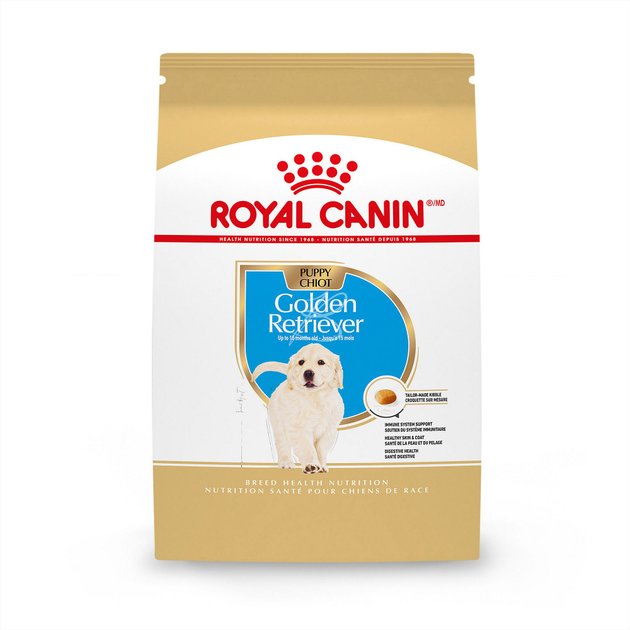
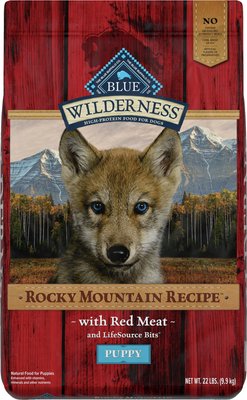
Golden Retrievers are very focused on growing, and how we feed them should help them do just that. Since they have so much growing to do, they need higher amounts of nutrients than adult dogs, especially proteins, fats, carbohydrates, vitamins, minerals and — don’t forget — water. It’s still important to not overfeed puppies, so make sure to portion food and keep treats to no more than 10% of their caloric intake. Since balance is so important, we recommend that your young Golden Retrievers is eating food that is made just for puppies from a reputable brand.

Nature's Variety
This diet is available at:


Royal Canin
This diet is available at:




Diamond
This diet is available at:

Blue Buffalo
This diet is available at:
Our recommendation tool evaluates your puppy’s breed, age, growth stage, lifestyle, and health needs to identify a scientifically appropriate diet from over 10,000 options. Obtain personalized guidance to help support healthy development and lifelong wellness.
GET RECOMMENDATIONSFrom a nutrition standpoint, Golden Retrievers become adults once they reach about 90% of their expected weight. Once adults, our two key nutrition goals are balance and maintenance. We want balance because a dog’s body is responsible for a lot of things, like digestion, fighting infection, keeping muscles strong, and chasing squirrels. These are all important tasks, so we want to make sure each body function gets its share of nutrients. We also need to maintain a healthy weight. Underfed dogs are at risk for malnourishment, and overfed dogs can become obese — both of which lead to even worse problems for a Golden Retriever

BIL-JAC
This diet is available at:
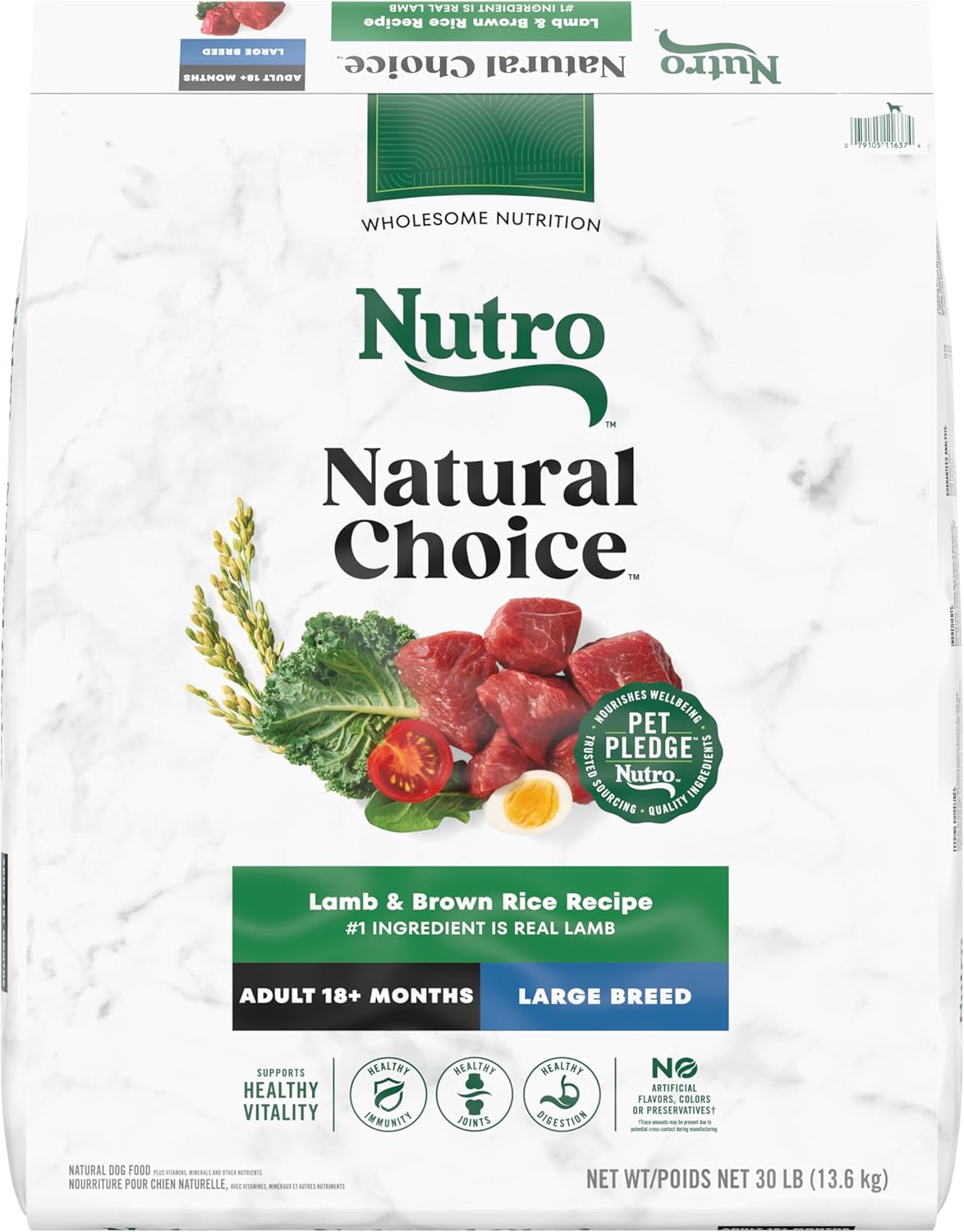
Nutro
This diet is available at:

Earthborn Holistic
This diet is available at:

Purina
This diet is available at:
Our assessment analyzes your dog’s breed, age, lifestyle, and health considerations to recommend a scientifically selected diet from over 10,000 options. Personalized insights to help your dog thrive through adulthood.
GET RECOMMENDATIONSEver watch kids running around the playground and wish you had that energy again? Yeah. Dogs get there, too. The metabolic processes in senior Golden Retrievers slow down as they age, which often means they aren’t needing quite as many calories as they did in their prime. Smart dog food companies have formulated senior diets to ease up on calories but still help them feel full and give them adequate maintenance protein. Still, like humans, everybody is different. Sometimes older dogs need just as many calories, or more, depending on how their bodies progress. So keep a close eye on their body condition, and look for dog foods made for seniors.
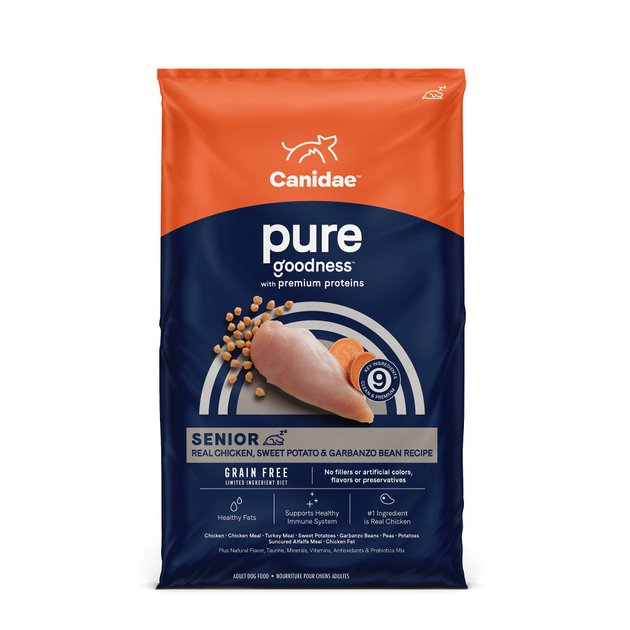
CANIDAE
This diet is available at:

Blue Buffalo
This diet is available at:

Purina
This diet is available at:

Blue Buffalo
This diet is available at:
Our assessment analyzes your dog’s breed, age, and health considerations to recommend a science-based diet from over 10,000 options. Help maintain mobility, cognitive health, and quality of life.
GET SENIOR DIET RECOMMENDATIONSAffiliate Disclosure:
We do not accept money to recommend pet foods. However, we do receive referral fees from online retailers (such as Chewy or Amazon) on qualifying purchases. Our recommendations are neutral, and diet recommendations are made without considering whether we will receive a referral fee.